Music has Evolved
I believe we can agree as a society that music has changed immensely over the past 100 years. With major innovations in artistic expression and technology, new musical mediums, instruments, consumption methods, and genres have appeared. So what were the largests catalysts in musical culture and expression in the last 100 years?
Musical Mediums and Access
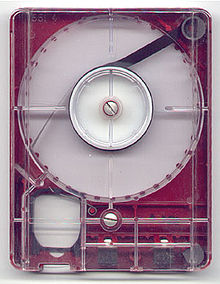
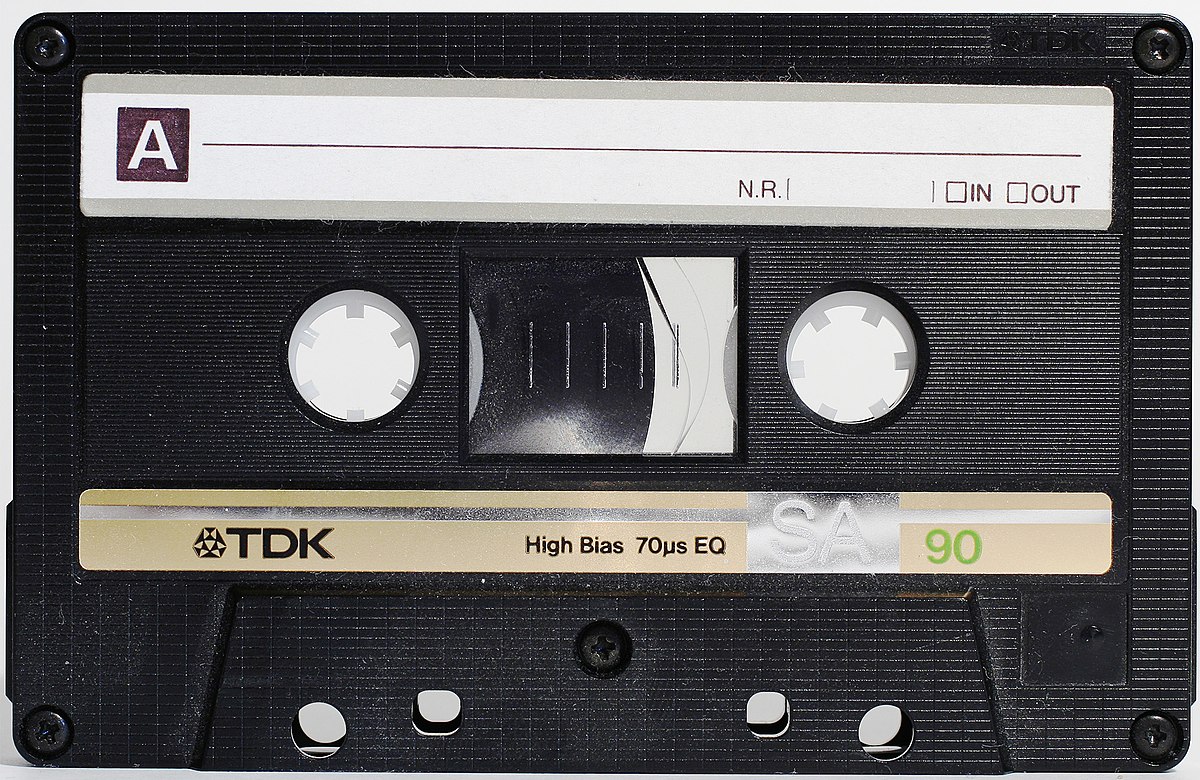
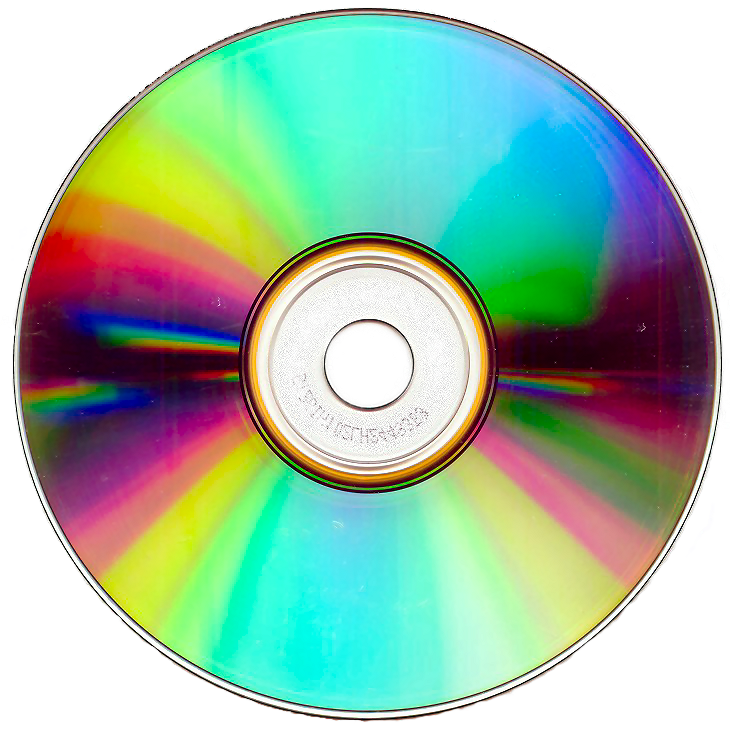
The world has changed drastically since the time of the phonographic cylinder. Today, you likely use Spotify or Apple Music to stream your favorite songs. The internet has likely been the most important change in musical medium and access to ever occur. Before the information age, music was expensive, less diverse, and harder to access. Successful small, independent artists and indie bands were extremely rare as they couldn't compete and usually died out due to needing large brand deals in order to cover the costs of manufacturing physical items for release. Now, with services like Bandcamp, small artists and labels can pay nominal fees to publish their music online. The influence of the internet on music is further discussed here. Below is a small timeline of musical mediums. Which one do you know best?

Vinyl
1895
4-Track
1962
Cassette
1963
CD
1982

MP3
1993

Napster
1999

Spotify
2006

Bandcamp
2008
The Rise of MP3
MP3 players were the first wave of portable electronic devices that changed the course of music forever. Not only were they more portable, they could hold much more music than any of their predecessors. MP3 players were the first big steps in the direction of modern technology's role in the propagation and accessibility of music.
The Internet
The internet has changed the way music is approached for both artists and fans. For artists, gone are the times of physical racks and other expensive hardware and software. Nowadays, musical artists can create music with software that ranges from free to ~$1000 in price. This decrease in production cost has changed music forever. You can get a copy of FL Studio, Ableton Live, or VCV Rack and produce professionally mixed tracks in days or even hours, even if you've never made music before. This is largely in part due to the large communities that back the software and its simplicity. It's crazy how you can make music with a $300 computer, a free Digital Audio Workstation, and some free presets available on the internet.

For fans, listening to music has become an immensely simple task. Before the Internet was popular, you'd have to go to a record shop to buy vinyls, tapes, or CDs for every new release. Now, you can buy music albums online or even stream millions of artists and albums for miniscule prices with services such as Spotify and Apple Music.
Artists once needed to be backed by music publishing and distribution companies in order to reach fans' ears and turn a profit. Not only did this prevent artists from exhibiting unique and experimental creative choices, it also made it difficult for small artists to live off of music as publishing and distribution companies would take major cuts out of their profits. Now, small artists that you've likely never heard of can live their lives in mansions in Los Angeles off of experimental vaporpop music (see George Clanton).
Internet Culture
One of the major changes that the internet brought upon was the simpler expression of ideas. This, in turn, led to the creation of entire digital communities with extremely tight bonds. A prime example of this is the vaporwave music genre and community. Vaporwave as a genre began as a meme of sorts in obscure corners of the internet. The first modern-era vaporwave album was released on August 8, 2010 by Chuck Person, now known as Oneohtrix Point Never, which - fun fact - produced the soundtrack for Adam Sandler's Uncut Gems, a crime movie that was released in 2019.
Vaporwave not only challenges the musical norms of today, it emulates the music of times that could've been. Vaporwave is a crazy idea, a community of musicians that only know each other on the internet, that rarely ever congregate. It's a genre that spawned from technology and the love for the past. Vaporwave is truly an experiment, a genre that tested the strength of internet communities and came out as a victor. Vaporwave has expanded so much in its community of only over 500,000 people that vaporwave artists produce about 1,500 albums per year in total.
And, of course, vaporwave is just one example. The internet has influenced music culture and genres immensely over the last 20 years and it will keep doing so over the course of history.
Bonus: An interview with IndyAdvant
IndyAdvant, a writer, IT operator, and podcaster at Private Suite Magazine, a magazine that covers all things vaporwave, kindly accepted to answer some of the opinion questions I had for him in a casual story-time fashion.
▶
IndyAdvant Interview
Final Thoughts
Thanks for reading through my project! I want to thank my MYP advisor, Ms. Judge, for helping me brainstorm a topic and complete my project, IndyAdvant, for allowing me to use his audio recording, and the vaporwave community for the inspiration.